Choosing between rotating vs fixed skid steer attachments comes down to how much control your work actually requires. Straight lifts in open yards feel simple until pallets need exact placement or space tightens. Fixed attachments handle basic movement well, but rotation changes how operators approach material handling. The difference shows up in precision, safety, and how often machines need repositioning. Contractors working in crowded jobsites, warehouses, or active construction zones often benefit from rotation more than expected.
In this guide, we break down how rotating vs fixed skid steer attachments perform in real conditions and how to choose the setup that fits your work instead of slowing it down.
What “Rotating” Changes in Real Jobsite Conditions
Rotation adds control where skid steers normally rely on movement. A rotating attachment allows operators to adjust the load angle without backing up or repositioning. That matters for tight jobsite handling and crowded material zones.
Key rotating attachment benefits include:
- Better precision pallet positioning
- Improved load control
- Less ground disturbance
- Fewer corrective machine movements
For contractors weighing rotating vs fixed skid steer attachments, rotation changes workflow, not just attachment behavior.
Where Fixed Attachments Work Best (And Why)
Fixed tools still make sense in many situations. Fixed pallet forks perform well in open spaces with straight access and repetitive lifting. If loads move from point A to point B without fine placement, rotation may not add value.
Fixed setups offer:
- Simpler operation
- Predictable behavior
- Reliable performance for bulk movement
For basic material handling tasks, fixed attachments remain efficient. Not every job benefits from rotation, and knowing when simplicity works best helps operators make smarter, job-focused equipment choices.
Where Rotating Attachments Win: Precision, Access, and Control
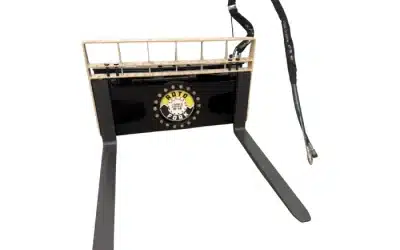
Rotation shines when placement matters. A rotating pallet fork allows operators to fine-tune load alignment without moving the skid steer. That’s especially useful when placing pallets near walls, inside trailers, or around obstacles.
A tool like the Roto Fork RF-50 rotating pallet fork system gives operators that added control and accuracy during placement.
In real-world rotating vs fixed skid steer attachments comparisons, precision and access often justify rotation.
Safety Considerations: Load Control and Placement
Safety improves when operators control the load instead of chasing it. Rotation helps keep materials level and visible, leading to operator visibility improvements and more predictable placement.
Safer placement is a major factor when comparing both options, especially on active job sites.
What to Consider Before Choosing (Checklist)
Before deciding between rotation and fixed setups, ask:
- Do loads require fine alignment?
- How tight are your placement areas?
- Does repositioning slow your workflow?
- Is load visibility during placement critical?
- Will rotation reduce operator fatigue?
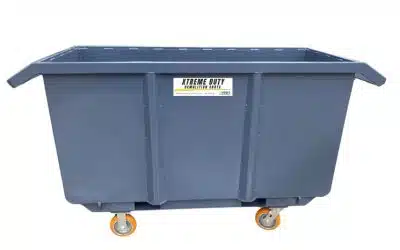
For hauling and cleanup phases, fixed transport tools still matter. Attachments like skid steer demolition debris carts support efficient material movement without rotation.
The best rotating vs fixed skid steer attachments choice reflects how your crew actually works.
Choosing the Best Setup for Your Work
There’s no one-size answer to rotating vs fixed skid steer attachments. Fixed tools handle straightforward movement. Rotating tools improve precision, control, and safety when space or placement matters. If you want help selecting the right setup for your jobs, contact us, and let’s match the attachment to how you work in the field.