When choosing skid steer attachments, many contractors focus on price or availability instead of real jobsite performance. We see it all the time. A tool looks right online, but once it hits the field, it slows work down. The wrong attachment can strain your machine, frustrate operators, and create safety issues. The right one improves control, workflow, and confidence on every job.
This guide breaks down the most common skid steer attachment mistakes contractors make and how to avoid them. If your goal is smoother operations, better productivity, and fewer headaches, smarter attachment decisions make all the difference.
Why Attachment Selection Matters More Than Most Contractors Think
Attachments aren’t accessories. They define how your skid steer actually works. The right setup reduces machine movement, improves material control, and shortens cycle times. Poor skid steer attachment selection forces operators to work around limitations.
That impacts:
- Jobsite efficiency
- Operator safety
- Equipment wear
- Crew morale
Contractors who take choosing skid steer attachments seriously build workflows that stay consistent across jobs instead of constantly adapting to the wrong tool.
Mistake #1: Buying for One Job Instead of Your Most Common Work
A lot of attachment purchases are reactionary. One project drives the decision. That’s how unused tools pile up. Before buying, ask what work shows up week after week.
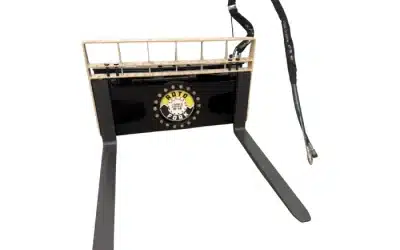
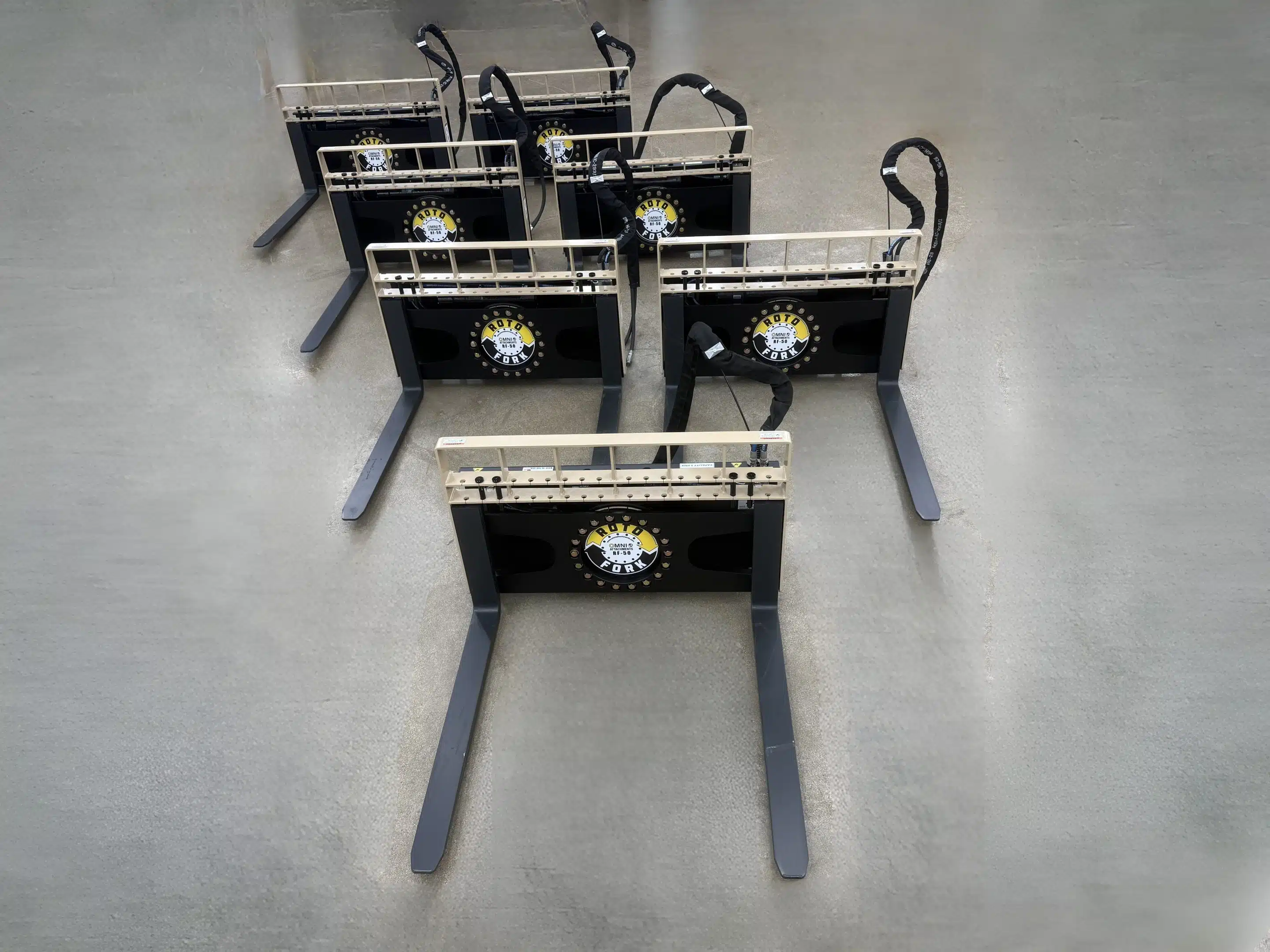
Material handling is a constant for most crews. Pallets, lumber, pipe, and bulk loads all require precision. That’s where a rotating fork attachment like the Roto Fork RF-50 makes sense. It improves placement and control across many jobs, not just one.
The best skid steer attachments earn their value through repetition, not one-time use.
Mistake #2: Ignoring Hydraulic Flow, Couplers, and Machine Compatibility
Compatibility issues cause more downtime than almost anything else. Before choosing skid steer attachments, confirm your machine’s specs. Pay close attention to hydraulic flow requirements, coupler style, and weight limits.
A basic attachment compatibility checklist should include:
- Standard or high-flow hydraulics
- Auxiliary connections
- Machine capacity
- Attachment weight and balance
Skipping these steps leads to weak performance or mechanical damage. Every solid skid steer attachment buying guide starts with compatibility first.
Mistake #3: Choosing the Wrong Tool for Material Handling vs Demolition
Material handling and demolition demand different tools. Mixing them up hurts efficiency.
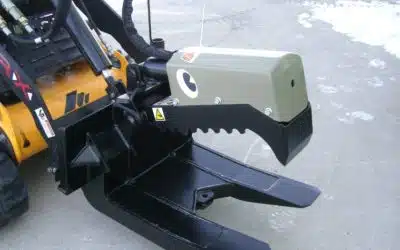
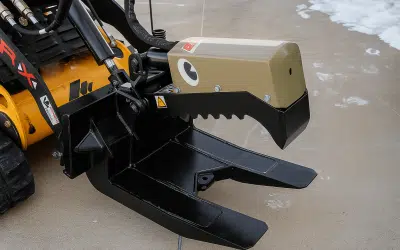
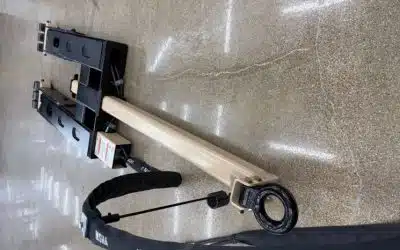
For irregular loads, brush, or scrap, control matters. A rotating grapple like The Beak grapple attachment allows operators to grip, rotate, and place material safely.
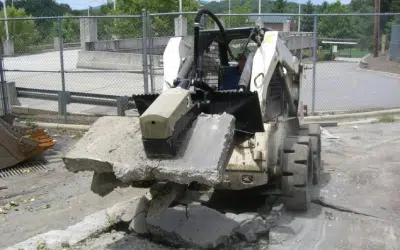
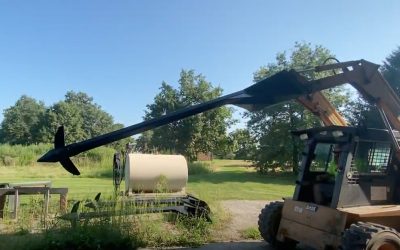
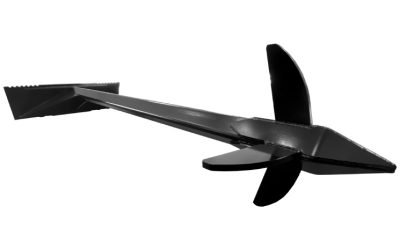
For demolition, reach and leverage matter more. A purpose-built tool like the Demo Pole demolition attachment keeps operators at a safer distance while improving structural breakdown speed.
When choosing skid steer attachments, match the tool to the task category. That’s how skid steer attachments for contractors actually improve workflow.
Mistake #4: Overlooking Cleanup and Debris Workflow
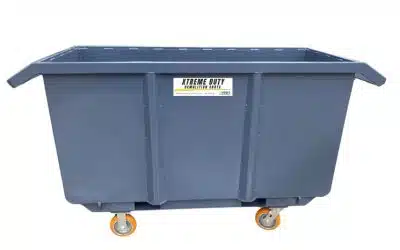
Demolition doesn’t end when material comes down. Cleanup often takes longer than the teardown itself. Contractors who ignore this phase lose time and momentum. Tools designed for debris movement, like heavy-duty demolition carts, help crews clear sites faster and keep machines productive.
Strong jobsite efficiency tools support the full workflow, not just the headline task. Cleanup planning is part of smart choosing skid steer attachments, not an afterthought.
A Simple Checklist for Choosing the Right Attachment
Before buying, slow down and evaluate the full picture:
- Identify your most common tasks
- Confirm machine specs and hydraulics
- Measure workflow impact, not just cost
- Consider attachment ROI (non-financial), like time saved and safety gains
- Review attachment safety considerations, such as visibility and control
Avoiding skid steer attachment mistakes starts with planning, not reacting.
Build a Smarter Attachment Setup for Every Job
Smartly choosing skid steer attachments leads to safer jobsites and smoother operations. The right tools improve control, reduce fatigue, and keep crews moving efficiently. If you want help evaluating attachments for your equipment or job mix, contact us, and let’s build a setup that works across every project you run.