When you’re on a job site or out in the field, the right tool makes all the difference. That’s where a grapple fork comes in. Farmers, builders, and demolition crews know that moving debris, logs, or construction material can quickly become a back-breaking job without the proper attachment. But here’s the real question: do you need a grapple fork or a grapple bucket? Both have their own strengths, and picking the wrong one could mean wasted time, fuel, and energy.
In this guide, we’ll compare grapple forks and grapple buckets, exploring their best uses in agriculture, construction, and demolition so you can make the right call.
What is a Grapple Fork?
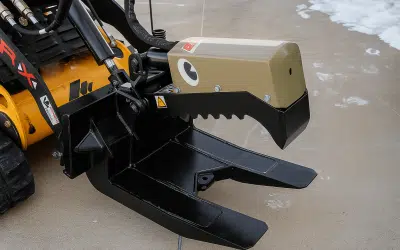
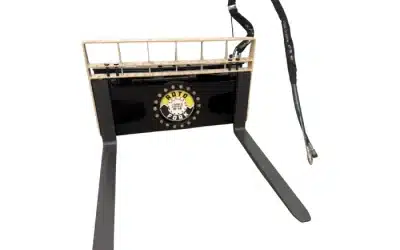
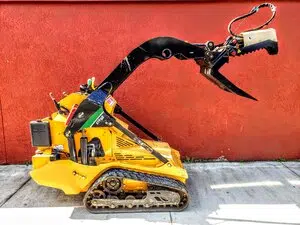
A grapple fork is essentially a fork attachment enhanced with a hydraulic grapple arm. This design allows the skid steer operator to pinch, lift, and haul irregular loads with ease. Instead of just sliding under a pile, the grapple arm grabs and holds materials securely, preventing spills and making transport faster and safer.
- Ideal for logs, brush, and uneven debris
- Works well with oversized loads that don’t fit into a bucket
- Provides maximum visibility since the operator can see through the tines
In other words, a grapple fork attachment gives you control when hauling bulky items, whether you’re clearing storm damage or managing material piles.
Grapple Bucket Explained
The grapple bucket for skid steer loader takes a different approach. Built like a standard skid steer bucket, it adds a grapple arm that clamps down on materials inside the bucket. This setup is perfect for scooping and carrying loose or fine materials that a fork can’t hold.
Key advantages of a grapple attachment skid steer bucket include:
- Excellent for dirt, gravel, and small debris
- Holds materials tightly without slipping through
- Great for demolition cleanup where dust and rubble are common
The bucket provides containment, while the grapple keeps everything locked in. It’s less about precision and more about bulk handling.
Choosing the Right Tool
So, how do you decide between a skid steer fork grapple and a grapple bucket? Think about the kind of work you’re tackling most often.
- Use a grapple fork when handling logs, brush, scrap metal, or oversized debris.
- Choose a grapple bucket when moving sand, gravel, or demolition rubble.
Another way to look at it: grapple vs bucket tools is all about material type. Forks excel with bulky or uneven loads, while buckets dominate with finer materials. Many operators end up keeping both heavy-duty grapple attachments in their lineup to cover every type of job.
Applications in Construction & Agriculture
Both tools shine in different environments.
Construction
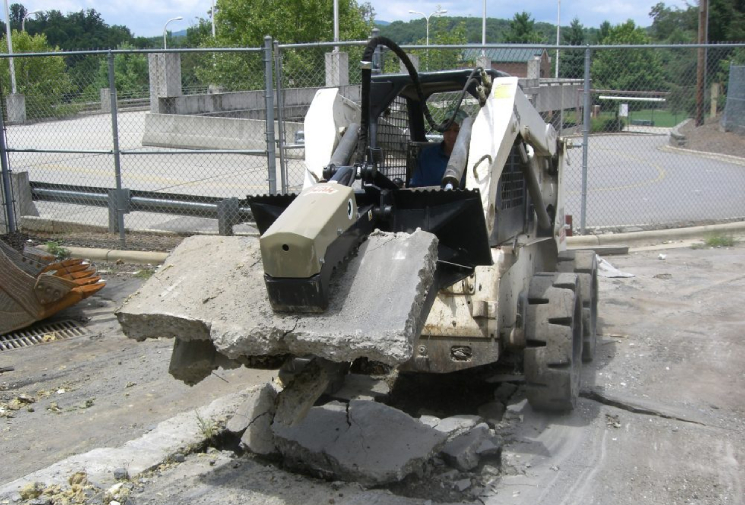
On construction sites, contractors often rely on a demolition grapple fork to move chunks of concrete, twisted rebar, or large scrap materials. The fork’s open design reduces weight while providing a firm grip, helping clear sites quickly and safely.
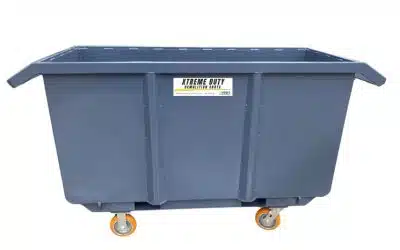
Meanwhile, the grapple bucket for skid steer loader handles smaller demolition debris, dirt piles, and mixed material where containment is key.
Agriculture
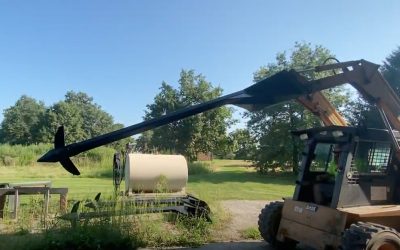
Farmers appreciate the versatility of an agriculture grapple skid steer attachment. A grapple fork moves hay bales, logs, and brush piles without a struggle, making cleanup efficient after storms or harvest.
In contrast, skid steer loader forks with a bucket attachment are better for manure, silage, or loose feed handling. Buckets keep materials in place and cut down on spillage, which matters when working with lighter but messier loads.
Final Thoughts on Grapple Forks vs. Buckets
When comparing grapple forks and grapple buckets, the right choice depends on the type of material you’re working with. A grapple fork shines with bulky, uneven loads like logs and scrap, while the bucket is unbeatable for finer debris and rubble. For many operators, the best setup is keeping both handy for all scenarios.
Need advice on the right grapple fork attachment for your skid steer? Contact us today to learn more about our heavy-duty grapple attachments and find the perfect fit for your job site.