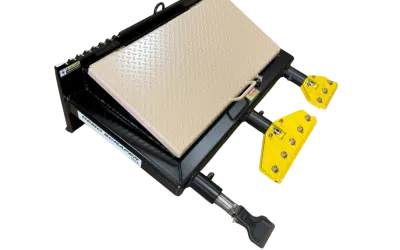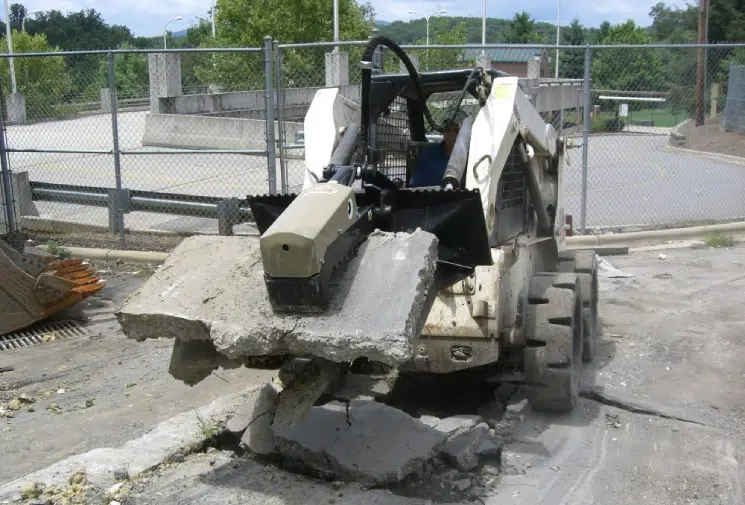
Demolition work eats labor fast when crews rely on manual handling and slow removal methods. The right skid steer attachments for demolition change that equation. Instead of fighting debris, crews control it, move it, and clear it faster using controlled overhead demolition tools like a demolition pole attachment. From overhead tear-outs to slab breakup and final cleanup, demolition attachments reduce strain and wasted motion. This guide explains how purpose-built tools improve workflow at every stage of a demolition project. You’ll see where time is lost, how attachments recover it, and why smarter equipment choices lead to safer sites and shorter schedules on active commercial and residential demolition jobs.
Where Demolition Jobs Lose the Most Time (And Why)
Most demolition delays come from transition points.
Crews lose time when they:
- Switch between manual and machine handling
- Reposition equipment repeatedly
- Rely on ground-level tools for overhead work
Without a clear demolition attachment workflow, labor hours stack up quickly. The right skid steer attachments for demolition reduce hand labor and keep machines doing the heavy lifting instead.
Step 1: Controlled Removal Tools for Walls and Overhead Work
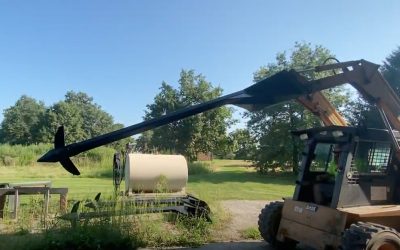
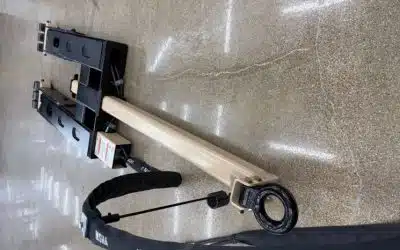
Overhead and vertical demolition create the biggest safety risks. Manual tear-outs slow progress and expose workers to falling debris. Using a controlled demolition tool like the Demo Pole demolition attachment allows operators to pull walls, ceilings, and framing from a safer distance.
This improves overhead demolition safety while speeding up removal. Purpose-built demolition skid steer attachments let crews stay productive without sacrificing control.
Step 2: Gripping and Moving Debris Without Manual Handling
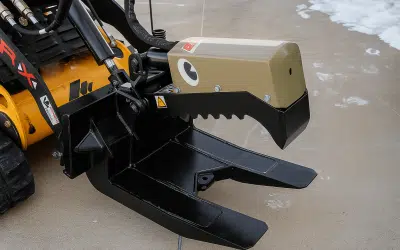
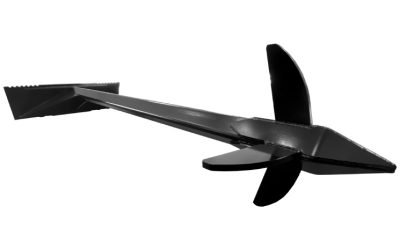
Once material comes down, handling becomes the bottleneck. Loose debris, framing, and broken materials often end up moved by hand. That slows crews and increases fatigue. A rotating grapple, like The Beak grapple attachment allows operators to grab, lift, and place debris securely.
This improves demolition material handling by reducing manual contact and keeping loads controlled. Strong attachments to speed up demolition eliminate unnecessary labor steps.
Step 3: Efficient Cleanup and Hauling to Keep the Crew Moving
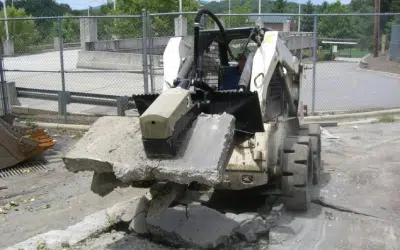
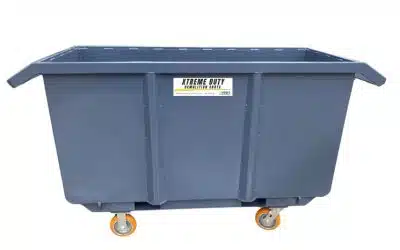
Cleanup defines how fast a demolition job actually finishes. When debris piles up, progress stops. Dedicated demolition cleanup tools keep material flowing off the site. Heavy-duty demolition debris carts allow operators to haul rubble efficiently without repeated loading cycles.
These debris hauling solutions support faster jobsite cleanup and prevent crews from standing idle.
Suggested Demolition Workflow Using OMNI Attachments
A smooth demolition system follows a clear sequence:
- Controlled overhead removal using a demolition pole
- Gripping and sorting debris with a rotating grapple
- Transporting material using debris carts
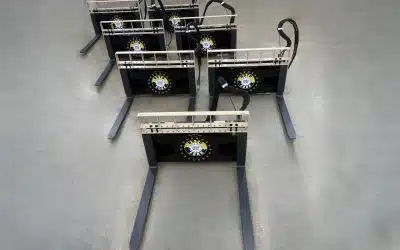
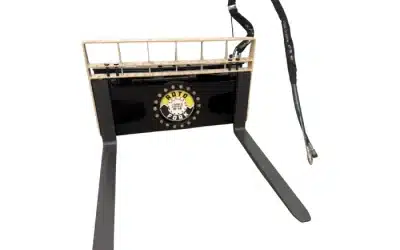
- Handling palletized materials with a rotating fork system like the Roto Fork RF-50
This workflow reduces repositioning and supports consistent skid steer attachments for demolition performance across all phases.
Build a Faster, Safer Demolition System
The right skid steer attachments for demolition reduce labor time by improving control, safety, and cleanup speed. Purpose-built tools replace manual effort with efficient machine workflows. If you want help building a demolition setup that keeps crews moving and sites safer, contact us and let’s put the right attachments to work on your next project.